


Restoring biodiversity onBegawan Biji farm
Begawan’s regenerative farm in Bayad Village is one of the few places in Bali where visitors can see the critically endangered Bali Starling flying freely in the wild. A small flock of Bali Starlings have made their nests near Begawan’s rice fields and permaculture gardens.
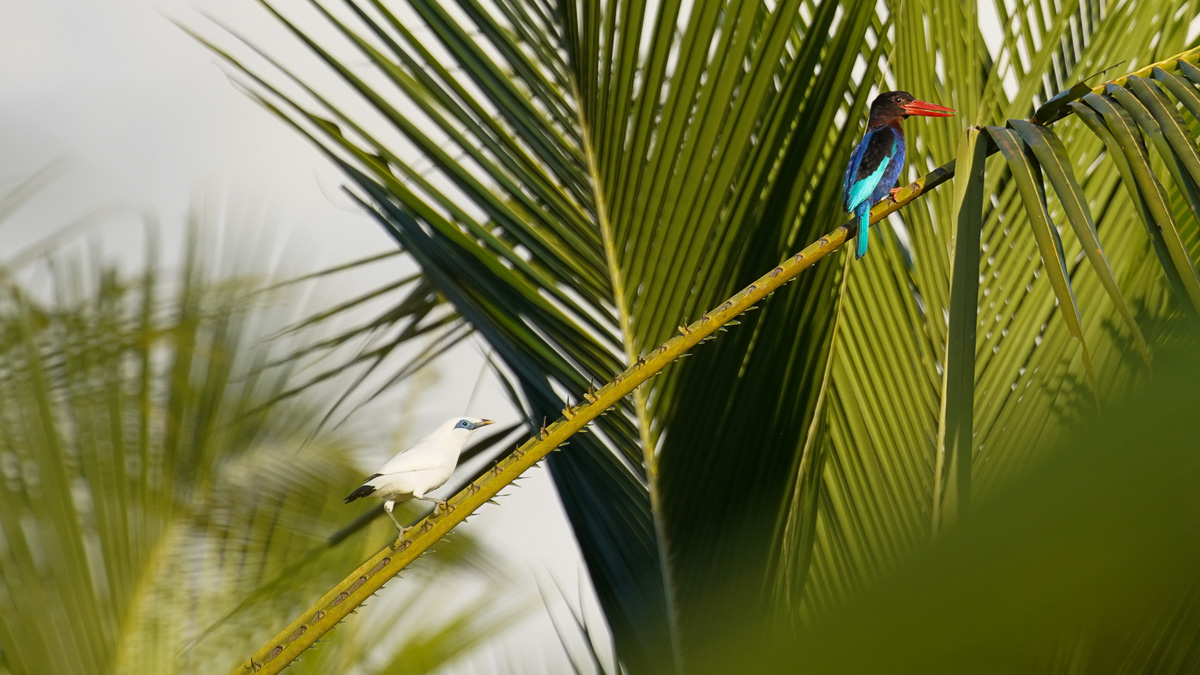
Visitors joining our Begawan Biji Experiences day tours, and guests of Begawan Biji restaurant can spot the pairs flying to their favourite watering sites, perching and dancing on palm tree fronds, and hunting insects in the orange groves.
But Bali Starlings are not the only species guests can discover on Begawan Biji farm. Thanks to the regenerative practices followed by the farmers in the Begawan Biji program, several rice fields surrounding Begawan Biji Restaurant are free from agrochemicals which harm small creatures and wipe out food sources for larger animals.
Begawan Biji’s natural farming methods have created cleaner air, water, and soil for a wide array of wildlife.
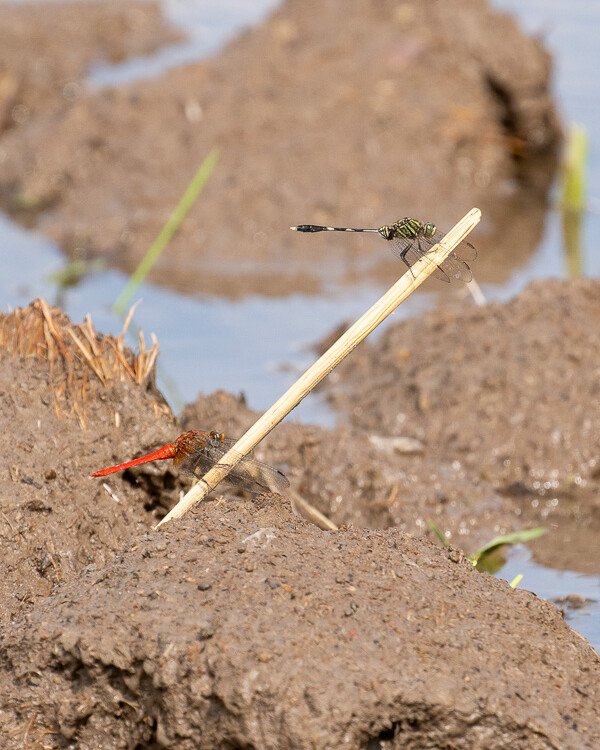
The farm’s natural water filter provides a source of pure water for irrigation, as well as for insects and animals that thrive near water, creating a stable food supply for a variety of beautiful creatures. Dragonflies, which lay their eggs in water, are considered a good indicator that water is clean and uncontaminated. Six species of dragonflies have been identified in Begawan’s rice fields. Their presence is a source of pride for the farmers.
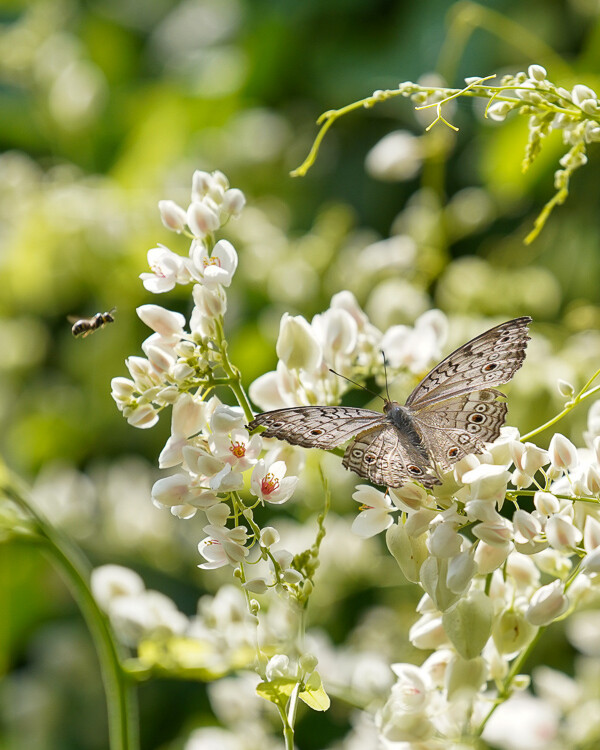
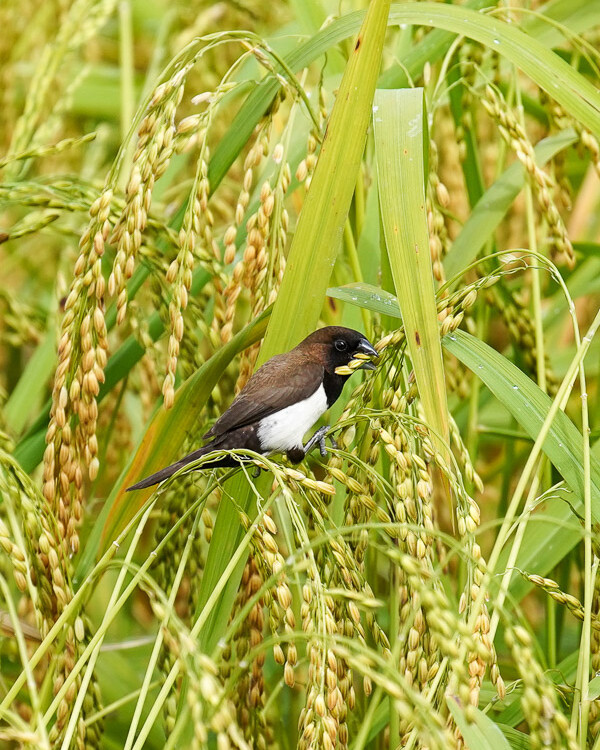
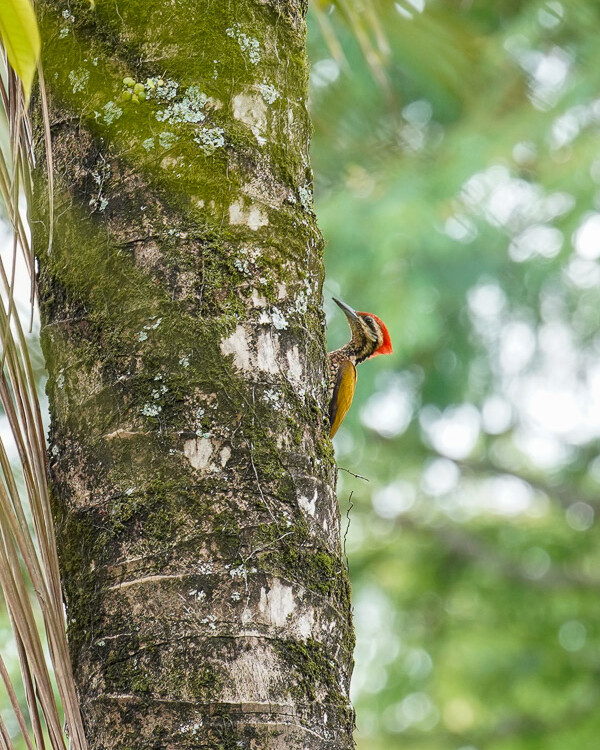
No fewer than 48 species of birds have been identified in Begawan’s rice fields and the area around the farm. The list includes Zitting Cisticola, Little Spiderhunter, and Flame-throated Bulbul, as well as birds such as the Java Munia, Wood Sandpiper, and Common Flameback. Woodpeckers, often spotted on the farm, feed on tiny insects which are easily killed by agrochemicals. The chemical-free foilage on Begawan’s farm is an inviting hunting ground for Woodpeckers. These birds are also crucial to our conservation program, as the holes left by Woodpeckers in coconut and other trees make ideal homes for newly released Bali Starlings.
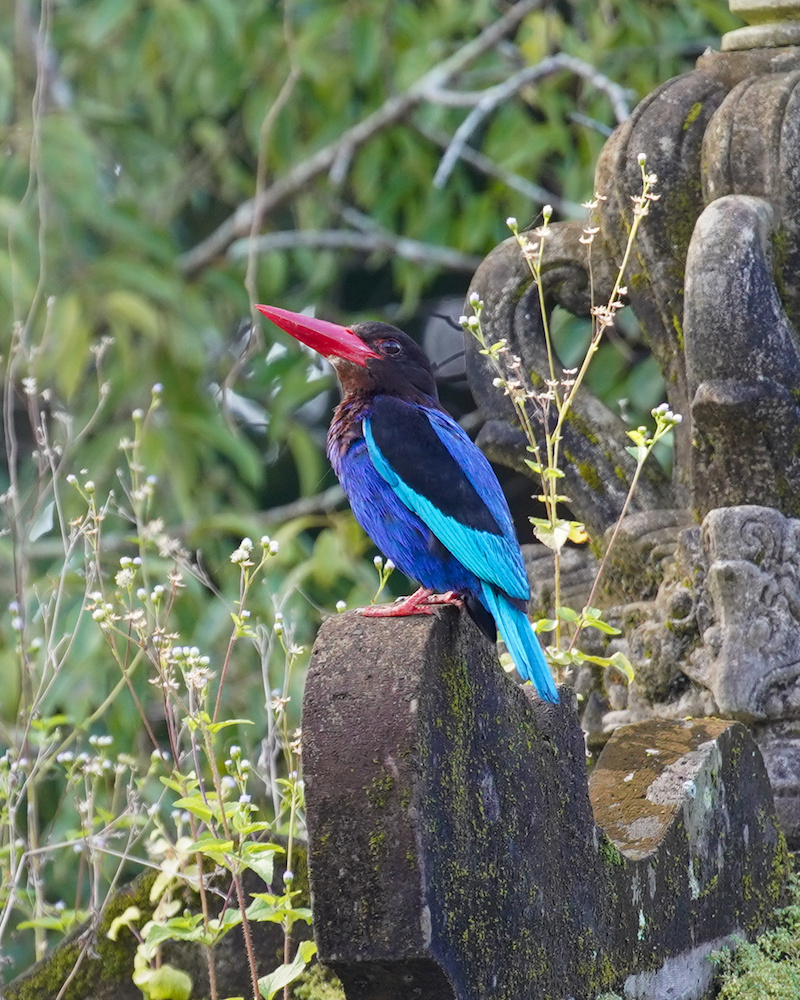
The Javan Kingfisher, a species endemic to Java and Bali, makes its home near rivers and ponds, where the bird hunts for the small fish that make up its diet. The run-off of chemical fertilisers into many of Bali’s waterways has contaminated the Kingfishers’ main source of food. However, the rivers and ponds around Begawan Biji’s farm are a favourite haven for Kingfishers. Striking blue with large red beaks, they can often been glimpsed flying over the pathways to the farm, and even hunting in the ponds in the permaculture garden.

The circular nature of regenerative farming means that as Begawan provides the local wildlife with a healthy habitat, these creatures also play their unique roles in balancing the ecosystem in the farm. Begawan’s integrated pest management system relies on healthy wildlife to work.
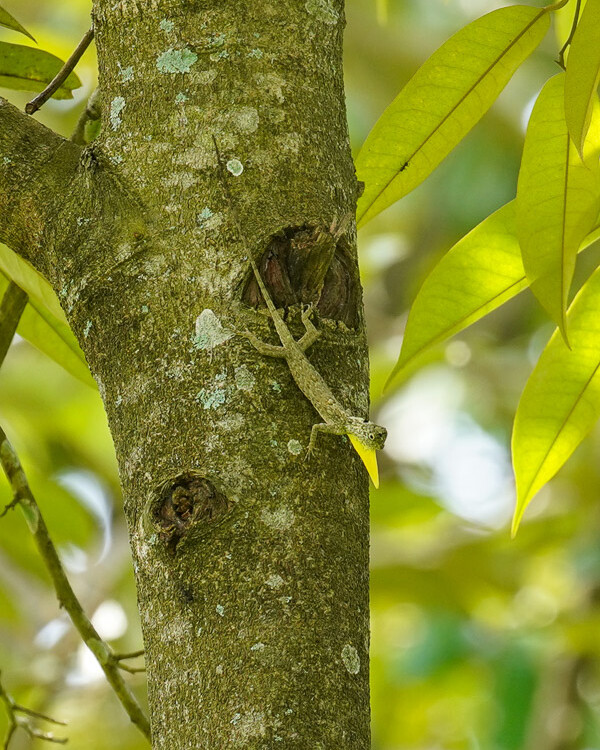
Begawan’s farm team sets up bamboo sticks on the edge of the rice fields for Pacific Swallows, who hunt pests on the ground. Sensitive baby eels, which can only thrive in clean soil and water, are breeding in Begawan’s rice fields. The adult eels will in turn eat crab eggs, which benefits the farm, as crabs burrow holes that drain the water in the rice fields. Flying Lizards have also been documented on the Begawan Biji farm. Considered a bioindicator for clean air, they too help to control pests in the rice fields.
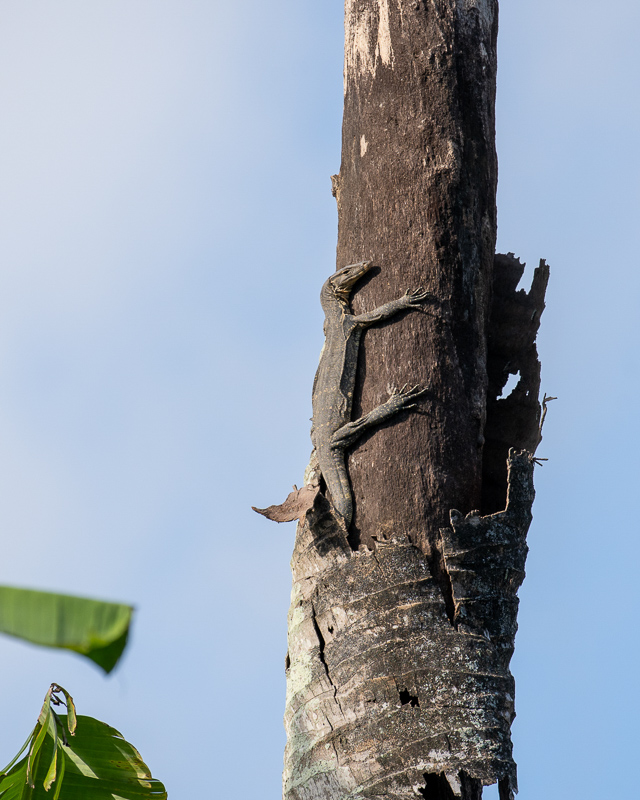
Begawan’s approach to conservation recognises that to protect animals, we also need to protect the habitats where they live. To thrive in the wild, Bali Starlings require a healthy environment with clean air, water, and food. The chemical-free fields and gardens in Begawan’s program support not just the survival of Bali Starlings, but also a host of other species that are intricately connected to each other and to all of life on the island.